


Internal comments about fans come to light
The Live Nation and Ticketmaster scandal continues to complicate after the appearance of new leaks that have generated a strong public reaction.
This time, the focus is on internal comments from managers and employeesin which a rather critical (and in some cases derogatory) view towards consumers themselves was reflected. Among the phrases that have come to light, a particularly striking one stands out in which users were described as “stupid”in reference to their behavior when purchasing tickets.
These statements are part of the legal process that the company is facing in the United States, where possible abusive practices related to ticket sales and market control are being investigated.
Beyond the tone of the messages, what has generated the greatest concern is what they suggest: that within the company there was a clear perception of how the system works and its impact on fansin a context where criticism about prices and commissions has been accumulating for years.
The controversy comes at a particularly delicate time for the company, which is already facing lawsuits, investigations and increasing scrutiny from authorities.
These new revelations not only fuel the debate about Ticketmaster’s business model, but have also intensified the public conversation about the relationship between the live industry and its audiences.
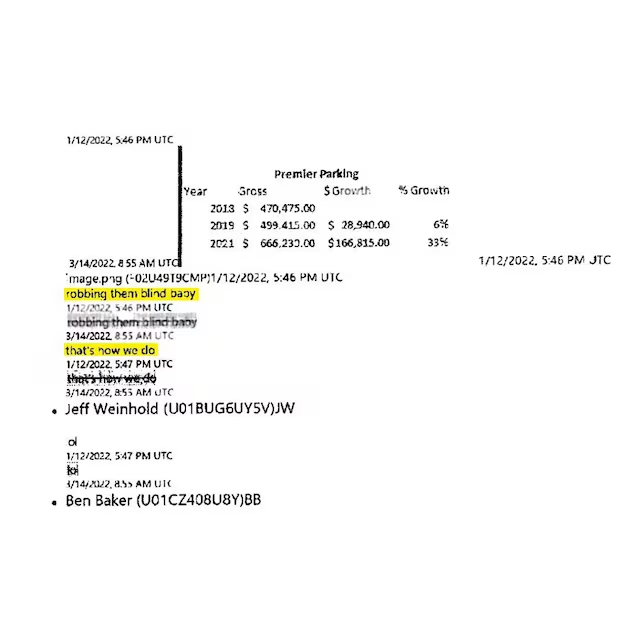
The Live Nation and Ticketmaster scandal even has physical messages leaked to company executives Ben Baker and Jeff Weinhold:
“We steal everything from them, baby, that’s how we do it”
Live Nation and its subsidiary Ticketmaster are going through one of the most complicated times in their recent history, amid lawsuits, investigations and new revelations that question their role within the live music industry.
First, the company has agreed to pay 280 million dollars to resolve a class action lawsuit related to anti-competitive practices in ticket sales. Of that amount, approximately 250 million will go to compensate fans who bought tickets between 2018 and 2024, while the rest will cover legal costs. Despite the agreement, the company has not admitted any wrongdoing.
This case occurs in parallel to a broader investigation by the United States Department of Justicewhich accuses Live Nation of maintaining a possible monopoly in the live industry, controlling both concert promotion and ticket distribution.
In addition, several states in the country are preparing new legal actions against the companywhich could further expand the scope of the case. Prosecutors are seeking to determine whether Live Nation has used its dominant position to limit competition, impose conditions on venues and promoters, and negatively impact artists and consumers alike.
One of the key aspects of these investigations is the control that the company exercises over different parts of the sector, which, according to the authorities, could be restricting access to the market for other operators.
Added to this situation is a recent controversy that has intensified public debate. They have been made public internal messages from Live Nation employeesin which some workers recognized practices related to price increases and tariffs applied to consumers. In these messages, comments were made about “squeezing” fans or “leaving them without money,” which has generated a strong reaction.
In other leaks, derogatory statements towards users have also appeared, including comments in which they were described as “stupid”, which has increased outrage and reinforced criticism of the company.
These revelations reinforce the accusations that within the company there was an awareness about the impact of its practices on consumers, in a context in which the industry was already being questioned by the increase in prices and the lack of alternatives when purchasing tickets.
Together, all of these elements point to a key moment for Live Nation and Ticketmaster. Investigations remain open and could lead to important changes in the regulation of the sectoras well as possible modifications to the company’s business model.
The outcome of these processes could have significant consequences for the future of live music, especially with regard to competition, price transparency and consumer experience.